Free Plantar Fasciitis Recovery Help
Everything you need to recover from plantar fasciitis — exercises, stretches, footwear advice and free downloadable guides. No logins. No cost.
Recover From Plantar Fasciitis With Free NHS-Backed Guidance
Based on NHS and NICE clinical guidance
Everything you need to understand, manage and recover from plantar fasciitis in one place. This website provides free information on heel pain symptoms, exercises, treatment options, footwear advice, recovery timelines and downloadable resources designed to help support recovery at home.
Whether your heel pain has just started or has been affecting you for months, the goal is simple: clear, practical information that reflects current NHS guidance and real-world recovery strategies.
Explore our step-by-step guides below
- • Plantar fasciitis exercises and stretches
- • Home treatment advice
- • Heel pain symptom checkers
- • Footwear and insole guidance
- • Recovery plans and downloadable PDFs
- • NHS treatment recommendations
What Is Plantar Fasciitis?
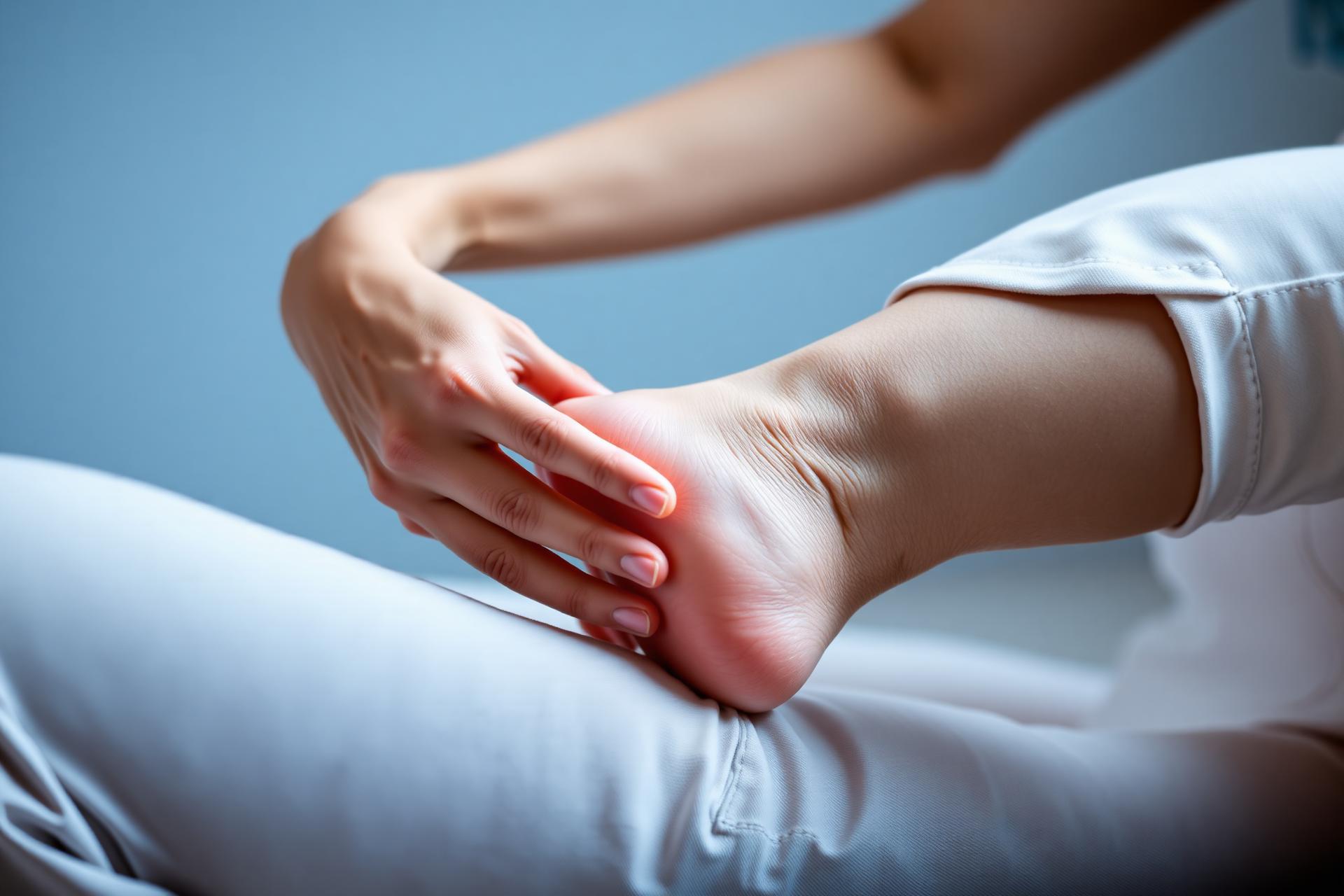
Plantar fasciitis is one of the most common causes of heel pain in adults. It happens when the plantar fascia, a strong band of tissue running along the bottom of the foot, becomes irritated or overloaded.
The plantar fascia connects the heel bone to the toes and helps support the arch of the foot during walking and standing. Repeated strain can lead to small areas of irritation and degeneration within the tissue, particularly near the heel.
Pain is usually felt:
- • Under the heel
- • Along the arch of the foot
- • During the first steps in the morning
- • After long periods sitting down
- • Following walking, standing or exercise
Many people describe it as a sharp stabbing pain when getting out of bed, followed by aching or tightness throughout the day.
Although plantar fasciitis can be frustrating, most cases improve with conservative treatment, particularly stretching exercises, load management and supportive footwear.
Read more: What Is Plantar Fasciitis →
Free 60-second tool
Not sure if it's plantar fasciitis?
Try our free Heel Pain Symptom Checker — three quick questions based on NHS guidance to help identify the likely cause of your pain.
Do These Sound Familiar?
These are the classic signs of plantar fasciitis.
Sharp heel pain with your very first steps in the morning
Pain that eases after a few minutes of walking
Worse after standing on hard floors all day
Tenderness at the underside of your heel
Why Plantar Fasciitis Happens
Plantar fasciitis rarely develops because of one single cause. In most people, several factors combine over time to place excess stress on the plantar fascia.
Common contributing factors include:
Tight Calf Muscles
Tight calf muscles reduce ankle flexibility and increase pulling forces through the heel and plantar fascia during walking. This is why calf stretching forms a major part of most NHS rehabilitation programmes.
Standing for Long Periods
Jobs involving prolonged standing on hard floors can overload the feet over time. Retail workers, nurses, warehouse staff, teachers and hospitality workers commonly experience plantar heel pain.
Read more: Plantar Fasciitis and Standing Jobs →
Running and Sudden Activity Changes
A sudden increase in running distance, hill training or high-impact activity can overload the plantar fascia before it has adapted properly.
Read more: Plantar Fasciitis in Runners →
Poor Footwear
Flat unsupportive shoes may increase strain on the heel and arch, especially during prolonged standing or walking on hard surfaces.
Many people notice worsening symptoms when wearing:
- • Thin-soled shoes
- • Unsupportive trainers
- • Worn-out footwear
- • Hard flat sandals
Read more: Best Shoes for Plantar Fasciitis →
Flat Feet or High Arches
Both low arches and high rigid arches can alter foot mechanics and increase stress on the plantar fascia.
Supportive insoles can sometimes help reduce strain alongside stretching and strengthening exercises.
Read more: Plantar Fasciitis Insoles →
Your 3-Step Recovery Plan
Understand Your Condition
Learn what plantar fasciitis is and what the NHS recommends.
Read the guideSort Your Footwear
The right shoes and insoles make a critical difference to recovery.
Footwear guideFree Recovery Resources
9 free PDF guides — no sign-up required. Download and use immediately.
View All Free DownloadsInformation sourced from UK clinical authorities
Common Symptoms of Plantar Fasciitis
The most common symptom is pain under the heel, particularly during the first few steps after rest.
Symptoms often include:
- • Sharp pain under the heel in the morning
- • Pain after sitting down
- • Arch tightness or aching
- • Tenderness when pressing into the heel
- • Pain that improves slightly with gentle movement
- • Stiffness after exercise
- • Heel pain after long periods standing
Many people notice that symptoms gradually worsen over weeks or months rather than appearing suddenly.
Morning pain is especially common because the plantar fascia tightens overnight while the foot is at rest.
Read more: Plantar Fasciitis Symptoms → · Heel Pain in the Morning →
NHS-Backed Plantar Fasciitis Exercises
Exercise is considered the most effective first-line treatment for plantar fasciitis according to NHS physiotherapy departments and NICE-based guidance.
Stretching and strengthening exercises help by:
- • Reducing tension in the plantar fascia
- • Improving calf flexibility
- • Supporting the arch of the foot
- • Increasing foot strength
- • Improving walking mechanics
- • Reducing long-term recurrence risk
The most commonly recommended exercises include:
- • Plantar fascia stretching
- • Calf stretches
- • Towel stretches
- • Arch strengthening exercises
- • Eccentric calf raises
- • Rolling and self-massage techniques
Consistency matters more than intensity. Gentle daily exercise performed regularly is usually more effective than occasional aggressive stretching.
View the full guide: Plantar Fasciitis Exercises →
Home Treatment for Plantar Fasciitis
Most plantar fasciitis cases improve without surgery.
Conservative treatment is usually recommended first and may include:
- • Stretching exercises
- • Activity modification
- • Ice massage
- • Supportive footwear
- • Insoles or taping
- • Reducing prolonged standing
- • Gradual return to activity
Recovery often takes time. Many people improve over several weeks, while more persistent cases may require several months of consistent rehabilitation.
The key is reducing overload while gradually improving strength and flexibility.
Read more: Plantar Fasciitis Home Treatment →
Footwear, Insoles and Daily Support
Footwear can make a significant difference during recovery.
Supportive shoes help reduce repeated strain through the heel and plantar fascia during walking and standing. While shoes alone rarely solve the problem, they can help reduce aggravation alongside exercises and activity management.
Features commonly recommended include:
- • Cushioned heel support
- • Stable midsoles
- • Good arch support
- • Shock absorption
- • Slight heel elevation
- • Firm but supportive soles
Walking barefoot on hard floors may aggravate symptoms in some people, particularly during the early stages of recovery.
Some people also benefit from supportive insoles designed to reduce pressure under the heel and support the arch.
Read more: Plantar Fasciitis Shoes → · Plantar Fasciitis Insoles →
Plantar Fasciitis Taping
Taping techniques are commonly used to temporarily reduce strain on the plantar fascia during walking and standing.
Sports tape or kinesiology tape may help:
- • Support the arch
- • Reduce painful pulling forces
- • Improve comfort during activity
- • Reduce irritation during flare-ups
Taping is usually used alongside exercises rather than as a standalone treatment.
Read more: Plantar Fasciitis Taping →
How Long Does Plantar Fasciitis Take to Heal?
Recovery time varies from person to person.
Mild cases may improve within several weeks, while more persistent symptoms can take several months to settle fully.
Recovery depends on factors such as:
- • How long symptoms have been present
- • Daily activity levels
- • Footwear
- • Standing demands
- • Body weight
- • Consistency with exercises
- • Calf flexibility
- • General load management
One of the most important factors is consistency. Small daily improvements over time usually produce better results than short bursts of intensive treatment.
Many people notice gradual improvement in:
- • Morning pain
- • Walking tolerance
- • Standing comfort
- • Activity levels
- • Foot flexibility
If symptoms are worsening, severe, or not improving after several weeks of consistent self-management, seek advice from a GP or physiotherapist.
Why People Trust This Site
This website is designed to provide clear, practical and evidence-based information for people experiencing plantar fasciitis and heel pain.
Content is:
- • Based on NHS and NICE clinical guidance
- • Written in plain English
- • Reviewed and updated regularly
- • Focused on conservative recovery approaches
- • Designed for UK readers
- • Free to access without sign-up requirements
The aim is simple: provide trustworthy information that helps people better understand their symptoms and recovery options.
Popular Plantar Fasciitis Guides
Explore the most visited pages on the site:
Start Your Recovery
Explore the free guides, exercises and downloadable resources available throughout the site.
Begin here: